
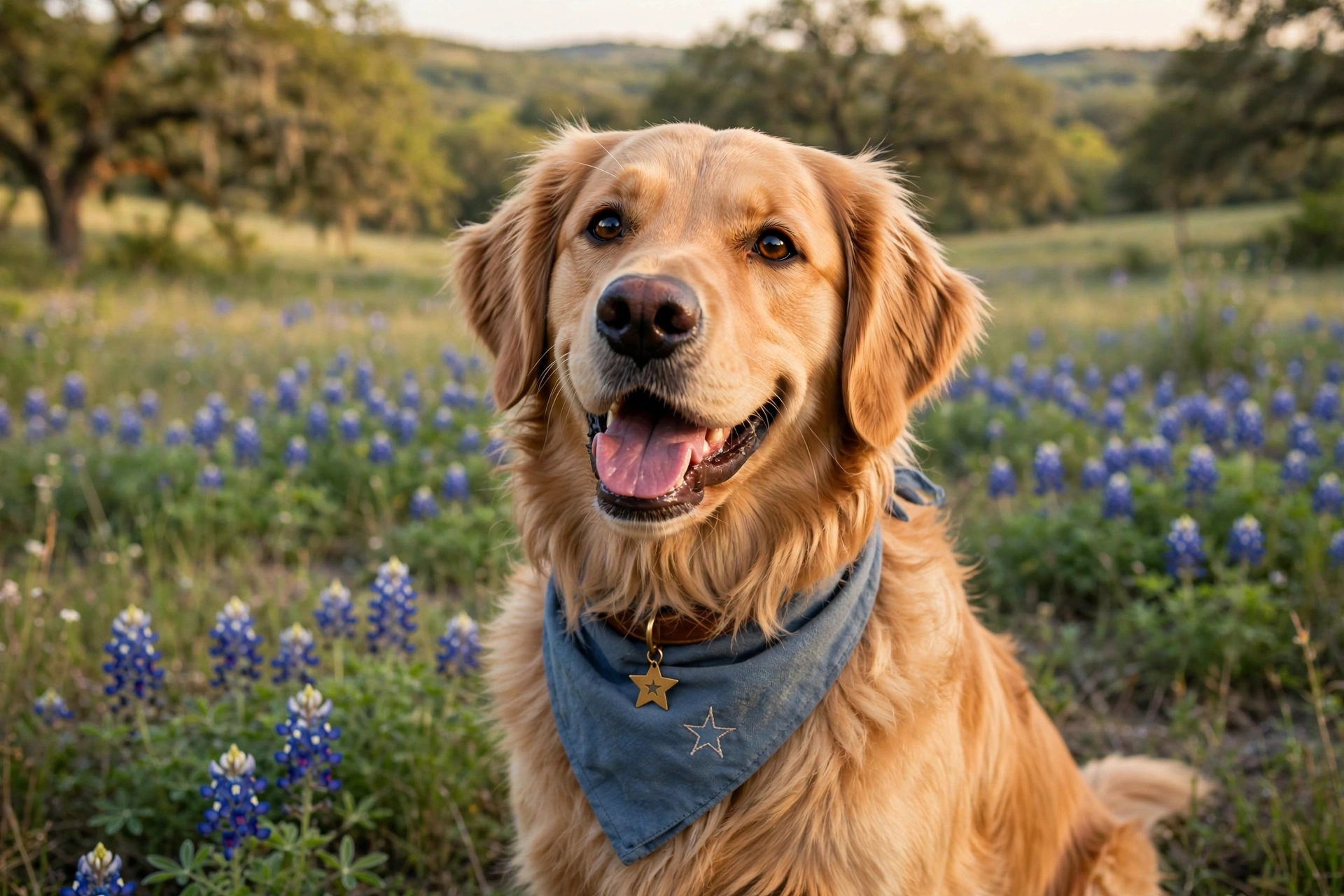
So, how much is pet insurance in Texas? Here’s the short answer: in 2026, Texas dog owners pay about $64 per month and cat owners pay about $33 per month, according to MoneyGeek’s 2026 Texas data ($5,000 annual limit, $500 deductible, 80% reimbursement). That puts Texas at 35th among all states — roughly mid-pack, not cheap, not crazy. Your own price? It moves with your city, your pet’s breed and age, and the plan settings you pick.
Table of Contents
How Much Is Pet Insurance in Texas on Average?
Texas pet insurance averages $64 per month for dogs and $33 per month for cats in 2026 (MoneyGeek; $5,000 annual limit, $500 deductible, 80% reimbursement). MoneyGeek ranks Texas 35th among all states. But averages are just a starting point. Your actual quote depends on your breed, your pet’s age, and your ZIP code.
Three plan settings shape every quote. Let’s define them in plain words. Your deductible is what you pay out of pocket each year before the plan starts paying. The reimbursement rate? That’s the percent of each covered vet bill the plan pays you back, after the deductible. And the annual limit is simply the most the plan will pay in one year. That’s the whole vocabulary — everything else builds on these three.
Those Texas figures use a middle-of-the-road setup: $500 deductible, 80% reimbursement, $5,000 annual limit. Lower the deductible or raise the reimbursement, and your monthly price climbs. Do the opposite — higher deductible, lower reimbursement — and it drops. It’s a seesaw.
Want the national picture? Our pet insurance cost guide breaks down U.S. averages using MarketWatch’s October 2026 analysis of 17,000+ quotes — $52/month for dogs and $28/month for cats. One caution: the recipe differs there ($250 deductible / 80% / $5,000 limit). So treat the two sources as separate benchmarks, not one blended number.

How Much Is Pet Insurance in Houston, Dallas, Austin, and San Antonio?
Here’s the honest truth: no source publishes verified city-level Texas averages using one consistent method. So this guide won’t print made-up city prices. Real quotes swing by ZIP code. Expect higher prices in big metros like Houston and Dallas, lower quotes in smaller towns. For a real number, get three or more quotes with your own ZIP code.
| City (2026) | What pushes prices there | What to know before you quote |
|---|---|---|
| Houston | Largest metro, higher vet costs, heat and storm-season risks | Prices swing across the metro — your ZIP matters more than the city name |
| Dallas | Big metro with a strong, pricey vet market | Breed and age move the quote more than neighborhood |
| Austin | Fast-growing city, vet care runs expensive | Young-dog plans start low here; ask about accident-only options |
| San Antonio | Lower cost of living than the other three metros | Quotes can come in lower — but compare coverage, not just price |
Why does the city matter at all? Simple. Vets in pricey metros charge more per visit, and plans price that in. A checkup that costs one amount in El Paso can cost far more in central Austin. Your ZIP code basically tells the pricing model what local vet care costs.
When you request quotes, have three facts ready. Your pet’s age. Your pet’s breed (or your best guess). Your ZIP code. Then run the same plan settings across at least three companies. It’s the only honest way to compare.
What Makes Pet Insurance More Expensive in Texas?
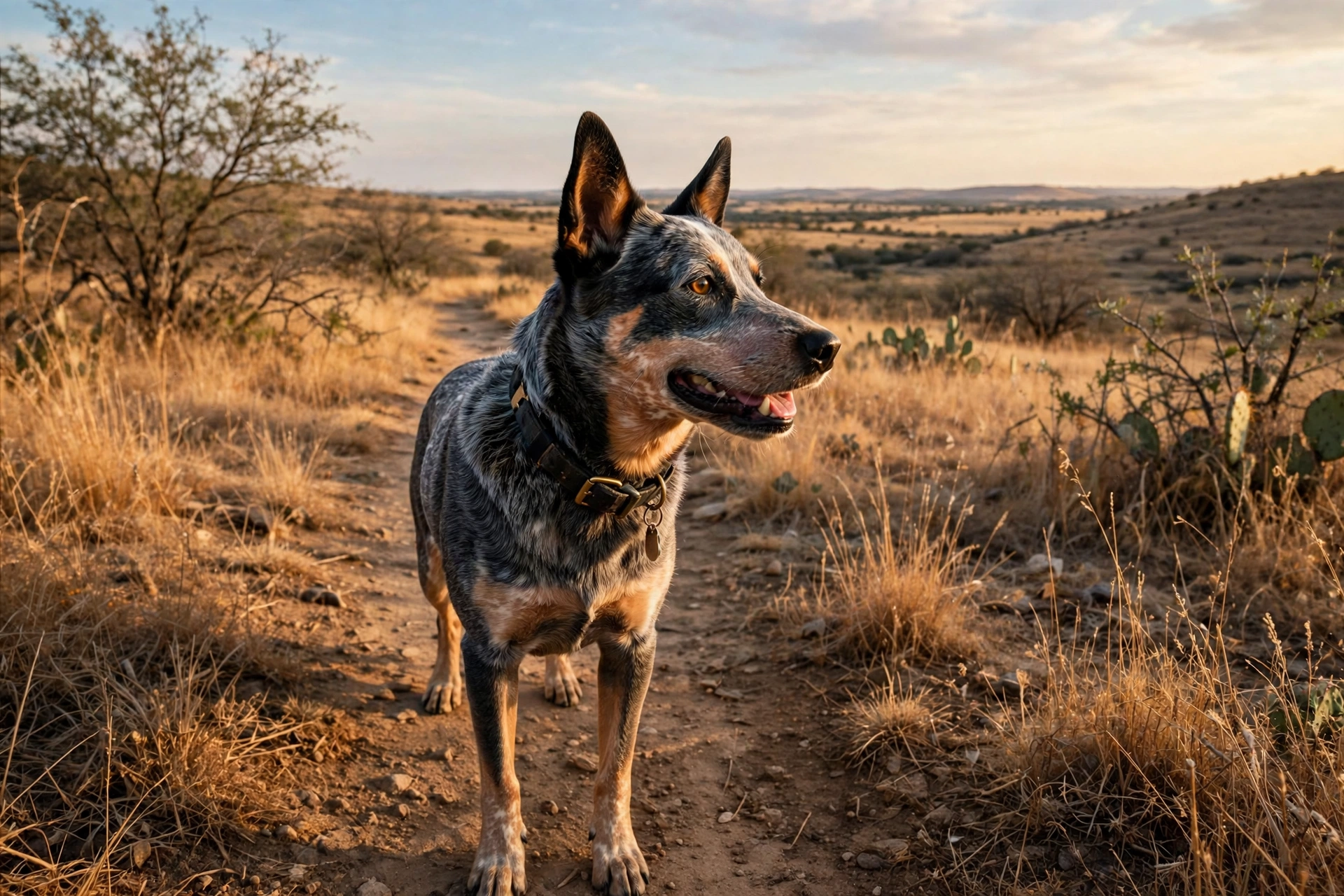
Picture a Texas July. It’s 102°F at 4 p.m., the air shimmers off the sidewalk, and your dog is panting after a ten-minute walk. That’s Texas — and it’s exactly why pet insurance costs what it costs here. Texas heat, wildlife, and year-round pests raise the odds of an expensive vet visit. A rattlesnake bite can cost $484 to $4,037 to treat. Heat stroke treatment can run $1,140 to $7,125 (MoneyGeek Texas vet-cost data, 2026). Higher claim risk nudges premiums up. And large breeds — hugely popular in Texas — add to the bill too.
Let’s walk through the Texas-specific cost drivers.
Extreme heat. Texas summers are long and brutal, and dogs overheat fast — on walks, in backyards, even in a parked car for minutes. Heat stroke is an emergency. And emergency care? That’s where the big bills live. (This guide covers costs only — if you ever worry your dog is overheating, call your veterinarian right away.)
Then there are rattlesnakes, living across much of rural and suburban Texas. Ask Texas owners on forums like TexAgs why they carry pet insurance, and snakebite risk comes up again and again — owners report buying policies largely for snakebite and knee-injury risk (TexAgs, owner-reported, not a statistic).
Ticks and heartworm, all year. Much of Texas never gets a real winter kill-off for pests. So tick and mosquito pressure never takes a season off — which means more vet visits and more claims over your pet’s life.
Don’t forget foxtails and trail hazards. Those barbed grass seeds burrow into paws, ears, and noses — and only a vet can get them out. Active outdoor dogs in Texas run into them all the time.
Finally, big, beloved breeds. German Shepherds, Labrador Retrievers, and Golden Retrievers are Texas favorites — and large dogs cost more to insure. Higher drug doses. Pricier surgery. Breed-linked joint problems. Hip dysplasia treatment alone runs $3,134 to $25,080 in Texas (MoneyGeek Texas vet-cost data, 2026).
This table maps the big Texas hazards to real bill ranges and typical coverage:
| Texas hazard (2026) | Typical vet bill range | Usually covered? |
|---|---|---|
| Rattlesnake bite | $484–$4,037 (MoneyGeek, 2026) | Yes, under accident coverage — must be a new injury; waiting periods apply |
| Heat stroke treatment | $1,140–$7,125 (MoneyGeek, 2026) | Yes, under illness coverage — must not be pre-existing |
| Hip dysplasia surgery | $3,134–$25,080 (MoneyGeek, 2026) | Often — some plans add extra waiting periods for joint conditions |
One thing to know about pre-existing conditions: most plans won’t cover a health problem your pet had before the policy started. So timing matters. Which brings us to price shopping.
What’s the Cheapest Pet Insurance in Texas?
Here’s something most guides won’t say plainly: the cheapest pet insurance in Texas isn’t one company. It’s the right mix of plan choices for your pet. Higher deductible, lower reimbursement percent, lower annual limit — each one cuts your monthly price. Accident-only plans cost the least of all. Whatever you do, compare at least three quotes with the same settings.
Here are the levers, roughly from biggest savings to smallest:
Raise your deductible. Moving from a $250 to a $500 or $1,000 annual deductible drops the monthly price. You take on more risk each year — the plan charges you less each month. Fair trade for many owners.
Lower your reimbursement rate. Drop from 90% to 80% or 70% and the premium trims down. Less back per bill, less out of pocket each month.
Lower your annual limit. A $5,000 limit costs less than $10,000, which costs less than unlimited. Match the limit to the worst bill you actually fear — not the dream scenario.
If money’s really tight, consider accident-only coverage. These plans skip illness coverage and cost the least. They still cover the Texas classics — snakebites, broken bones, swallowed objects. They won’t cover cancer, allergies, or infections, though.
Ask about multi-pet discounts — most companies cut the price when you insure two or more pets on one account. Easy win if you’ve got a full house.
Enroll young. This one’s big. Premiums climb as pets age — Texas owners report paying around $20/month for young dogs and close to $80/month by age 9 or 10 (TexAgs, owner-reported). A plan started at age one locks in those low early years.
Skip the wellness add-on if money’s tight. Wellness riders cover checkups and vaccines for an extra monthly fee. On a tight budget, Texas owners on forums advise skipping them and paying for routine care out of pocket (TexAgs, owner-reported).
One warning, though. The lowest monthly price can hide weak coverage. Before you buy on price alone, check the exclusions list, the waiting periods, and the annual limit. Cheap today gets expensive fast if the plan denies your claim.
Is Pet Insurance Worth It in Texas?
For many Texas owners? Yes. One Texas-sized vet bill can top a full year of premiums. A single rattlesnake-bite bill (up to $4,037) can exceed a whole year of premiums at $64/month ($768/year). And if a surprise $3,000 emergency bill would wreck your budget, insurance buys real peace of mind.
Run the simple math for your own pet. Take your monthly quote. Multiply by 12. Now ask: could I calmly pay triple that tomorrow, from savings? If the answer’s no, a plan earns its keep the first time disaster strikes.
Insurance tends to pay off most for three kinds of Texas owners: owners of large breeds, where every surgery costs more; rural and hiking owners, where snakes, foxtails, and trail injuries are a matter of when, not if; and owners of young pets, who get the lowest premiums and the longest coverage runway.
That said, it may not be worth it if you keep a deep emergency fund you never touch — or if your pet is a senior with health problems. Premiums run high at that age, and pre-existing conditions are excluded. There’s no shame in self-insuring with a dedicated savings account. The wrong move is having neither a plan nor a fund.
Pet Insurance in Texas — FAQ
Are rattlesnake bites covered by pet insurance?
Yes. Rattlesnake bites fall under accident coverage on accident-and-illness plans. The bite has to be a new injury — not pre-existing — and your plan’s waiting period must have passed, often 14 days from enrollment. Keep your policy active year-round in Texas.
Does pet insurance cover heat stroke treatment?
Yes — under the illness half of an accident-and-illness plan, as long as the heat stroke wasn’t pre-existing. Watch out, though: emergency exam fees are sometimes excluded, so read your plan’s fine print. This is about coverage and cost — for medical guidance, talk to your veterinarian.
Is pet insurance required in Texas?
No. Texas law doesn’t require pet insurance for dogs or cats. It’s fully optional — no U.S. state mandates it today. Owners buy it purely for financial protection. One emergency vet bill can cost more than a year of premiums, which is why many Texans carry it anyway.
Can I use my pet insurance at any vet in Texas?
Yes. Nearly all plans let you visit any licensed veterinarian in Texas — or anywhere in the U.S., for that matter. No in-network restrictions like human health insurance. You pay the vet bill, then file a claim to get reimbursed.
Does pet insurance get more expensive as my dog ages in Texas?
Yes — premiums rise with age because older pets file more claims. Texas owners report paying around $20/month for young dogs and close to $80/month by ages 9 to 10 (TexAgs, owner-reported). Enrolling while your dog is young locks in those lower early-year rates.
Can I use pet insurance right away in Texas?
Usually not on day one. Most plans have waiting periods — commonly around 14 days for illnesses, and 48 hours to 14 days for accidents. Anything that happens during the waiting period isn’t covered. Check your policy’s exact waiting periods before you need care.
How much is pet insurance in Texas for dogs?
Texas dog insurance averages $64 per month in 2026 (MoneyGeek; $5,000 annual limit, $500 deductible, 80% reimbursement). Large breeds like German Shepherds and Labradors — and older dogs — typically cost more than the average. Your ZIP code and plan settings move the final number.
Does pet insurance cover allergy medication?
Sometimes. If the allergies are a new condition, many accident-and-illness plans cover prescribed allergy medication. But if your pet was already diagnosed before enrollment, it counts as pre-existing and is usually excluded. Ask the company directly about your pet’s history before buying.
Bottom line: Texas pet insurance runs about $64/month for dogs and $33/month for cats in 2026. Mid-pack nationally — with real Texas hazards behind the numbers. Shop your ZIP code, mind the waiting periods, and match the plan to your pet’s actual risks.